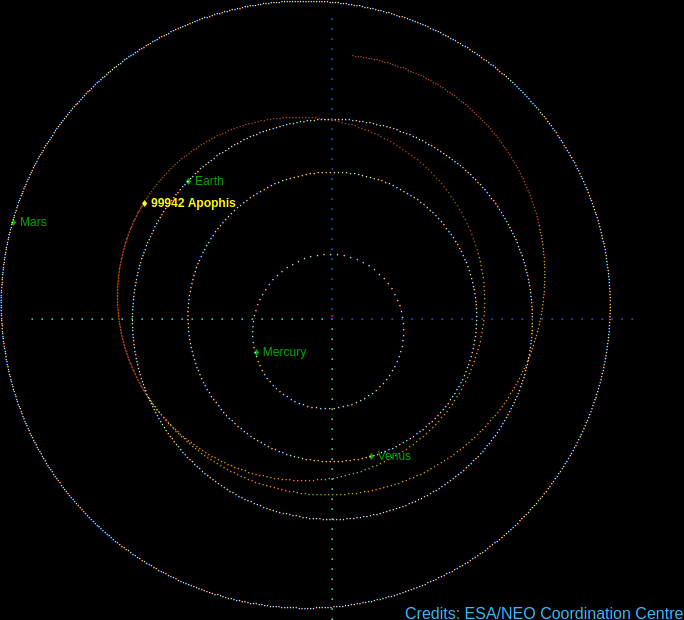
This new astronomical tool gives the user the possibility to visualise NEO orbits and asteroids collections in full detail within a highly configurable 3D environment
If you check our current risk list, you will notice that a significant number of objects in the top positions are extremely “old”, discovered in the first decade of the century.
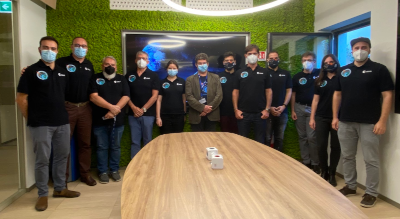
Over the past week, the Near-Earth Object (NEO) community in general, and ESA’s NEO Coordination Centre (NEOCC) in particular, have been involved in an interesting example of the process of discovering a new and exceptional object.

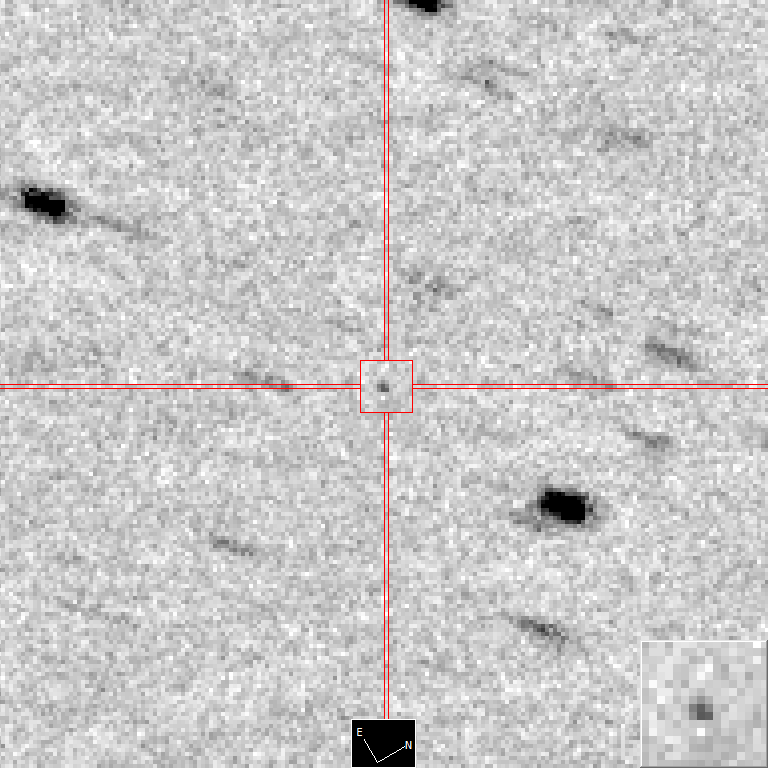
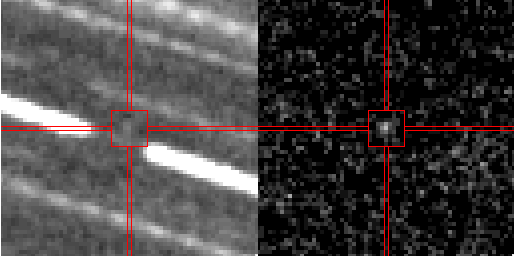
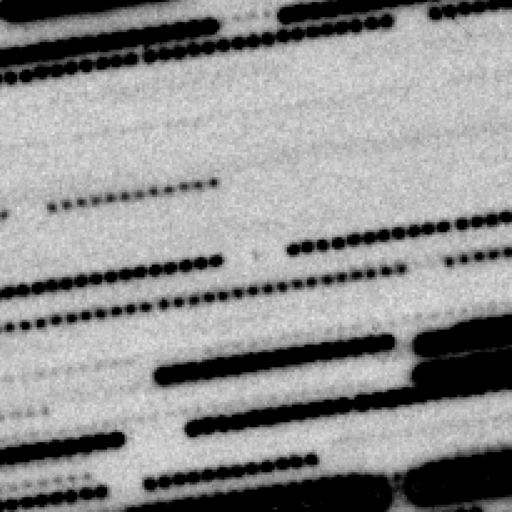
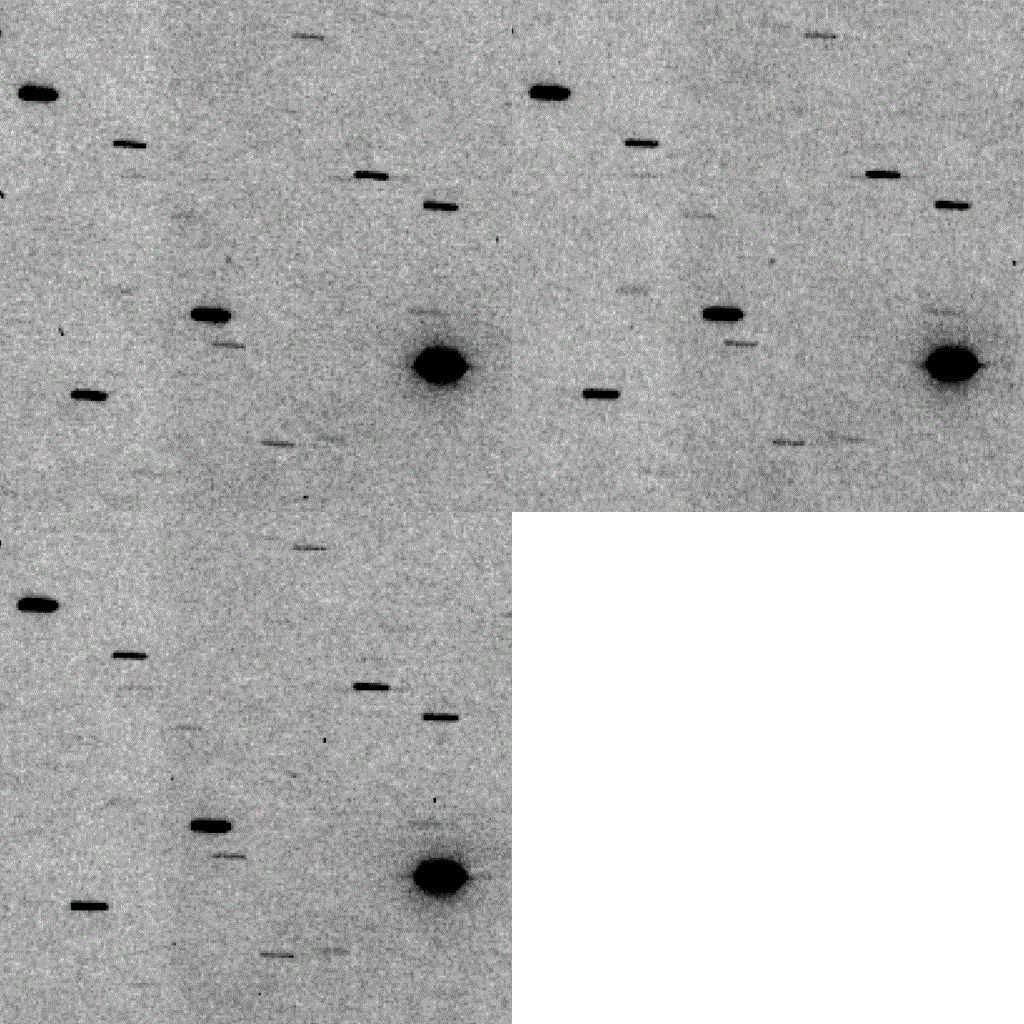
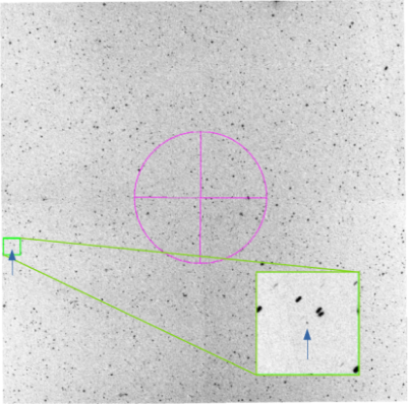
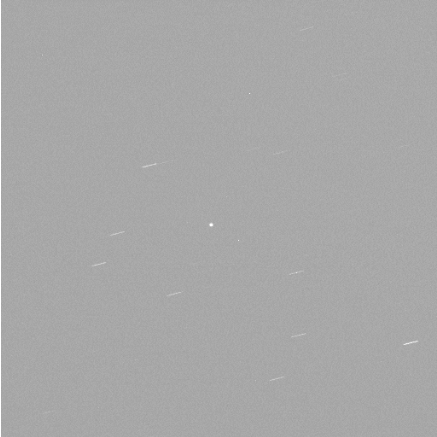
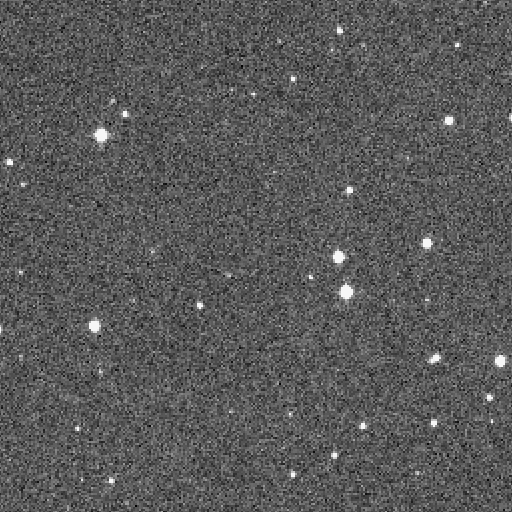
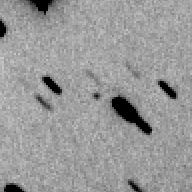
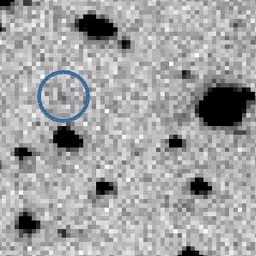
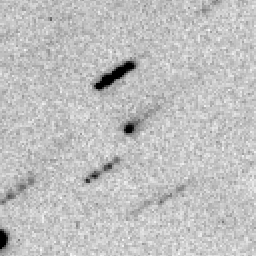
One month ago, NEOCC team ruled out the possibility that asteroid 2006 QV89 would impact the Earth this September by making a “non-detection”, i.e. observing the area of the sky where the asteroid would appear if it were on a collision course with our planet - and not detecting it.
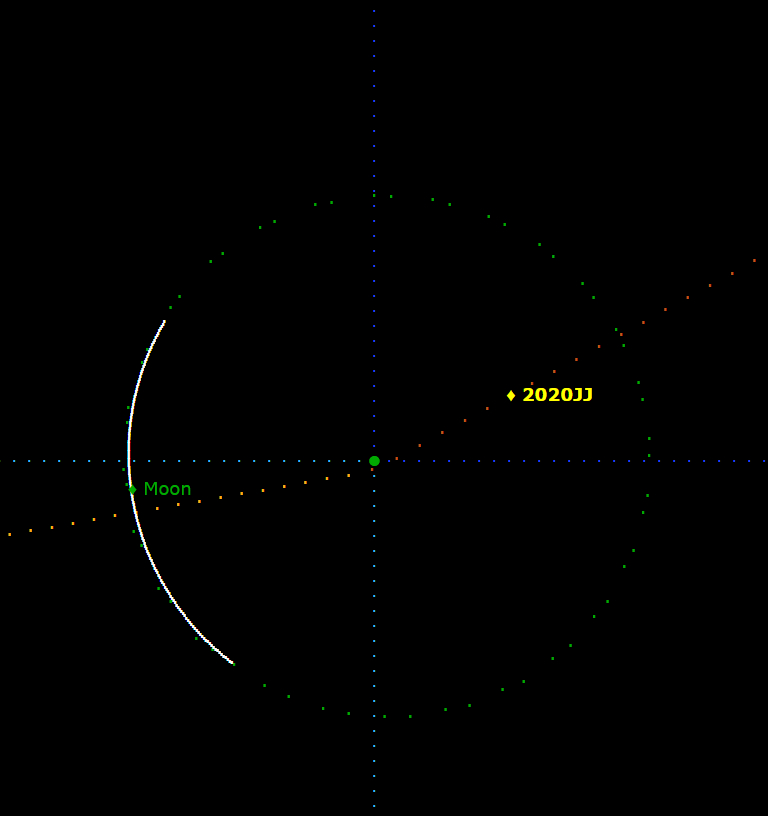
On 25 July, an asteroid the size of a football field flew by Earth, coming within 65 000 km of our planet’s surface during its closest approach – about one fifth of the distance to the Moon.
A new paper by Alessio Del Vigna and collaborators, published this week in the Astronomy and Astrophysics journal, significantly revised the chances of impact of (410777) 2009 FD.
Asteroid 2006 QV89, a small object 20 to 50 meters in diameter, has been in the news lately, because of a very small 1-in-7000 chance of impact with the Earth on 9 September 2019.
Hera will show us things we have never seen before. Astrophysicist and Queen guitarist Brian May tells in the next video the story of the ESA mission that would be humanity's first-ever spacecraft to visit a double asteroid