NEO Coordination Centre
Precursor services
Please note that all SSA-NEO Services are under development
| Last update: 2013-05-18 06:42:00 UTC |
|
|
Headline News
AFTER CHELYABINSK: EUROPEAN EXPERTS ASSESS ASTEROID OPTIONS
8 May 2013
In February, a speeding asteroid slammed into our atmosphere and exploded high over Russia's Ural region, injuring hundreds and causing millions of euros of damage. What should we do if we have a similar – or even bigger – strike in the future?
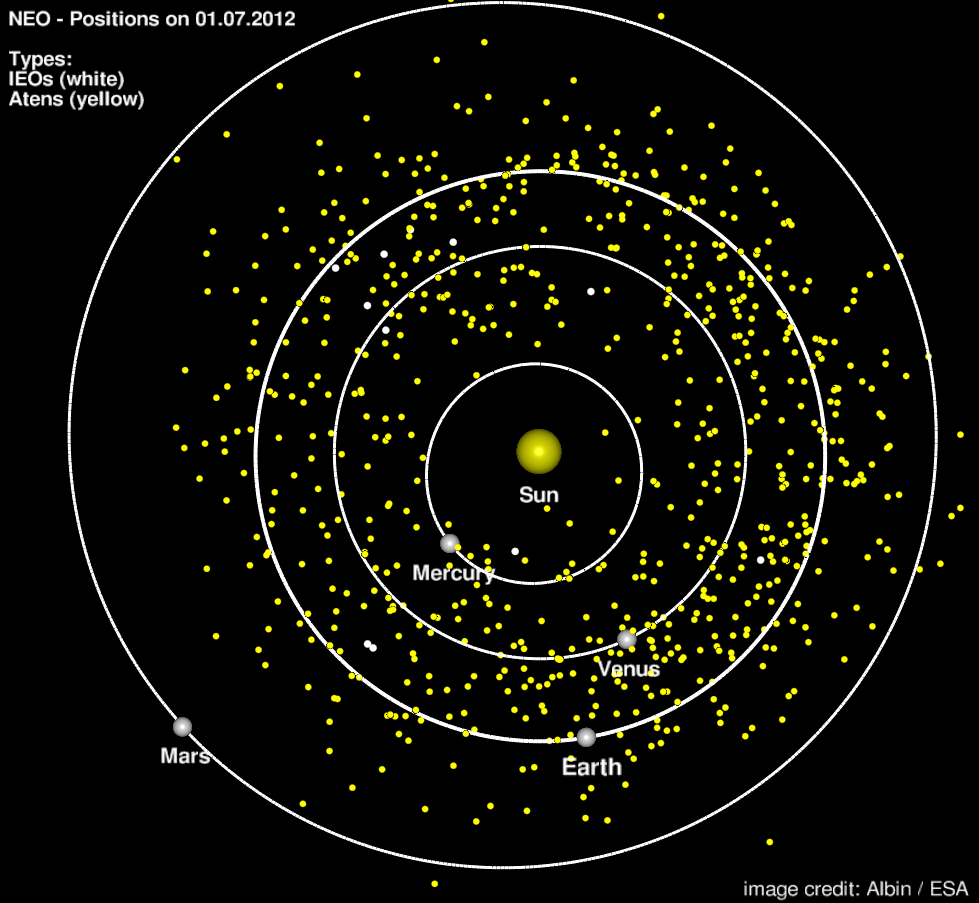
Of the more than 600.000 known asteroids in our Solar System, almost 10.000 are classified as near-Earth objects, or NEOs, because their orbits bring them relatively close to Earth's path.
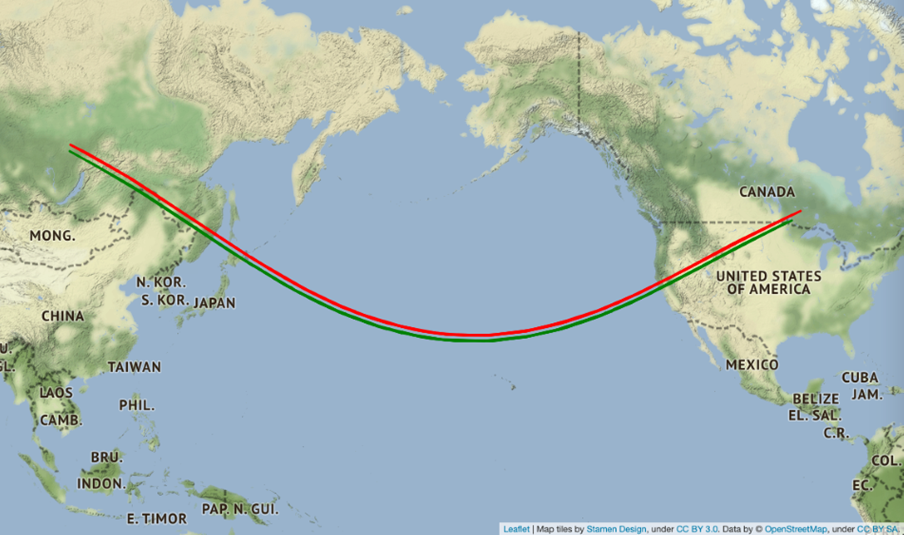
Dramatic proof that any of these can strike Earth came on 15 February, when an unknown object thought to be 17–20 m in diameter arrived at 66 000 km/h and exploded high above Chelyabinsk, Russia, with 20–30 times the energy of the Hiroshima atomic bomb.
The resulting shock wave caused widespread damage and injuries, making it the largest known natural object to have entered the atmosphere since the 1908 Tunguska event, which destroyed a remote forest area of Siberia.
"It's important that we become aware of the current and future position of NEOs, develop estimates on the likelihood of impacts and assess the possible consequences," says Detlef Koschny, Head of NEO activities in the Agency's Space Situational Awareness (SSA) Programme Office.
"More importantly, we must consider whether and how warning, mitigation and possible deflection actions can be taken. It's important not only for Europe, but for the rest of the planet, too."
One aspect of ESA's four-year-old SSA activity requires the development of an integrated system to scan the sky nightly for as-yet-undiscovered NEOs.
Another important element is studying how mitigation measures can be applied in the case of smaller NEOs, and how to deflect any larger ones that may seriously threaten our home planet.
This week, Deimos Space, an industrial partner working for ESA on SSA, has invited top researchers from universities, research institutes, national space agencies and industry in Europe and the USA to discuss the state of the art in NEO impact effects and threat mitigation.
The meeting is taking place in Tres Cantos, Spain, near Madrid.
"A great deal of work remains to be done, for example, in computer modelling of impact effects, how airbursts differ from ground strikes, kinetic versus explosive deflection strategies and much more," says Gerhard Drolshagen, of the SSA Programme Office.
"The aim is to develop plans that will guide us in current and future NEO research and development."
Ultimately, ESA aims to develop the capability to integrate Europe's current and new assets – such as automated telescopes – into a coordinated and more efficient NEO system that can provide nightly sky surveys and advanced warning.
"With this, we can work with our partner agencies, scientists, industry and international bodies like the UN to offer firm options to national governments and political decision-makers," says Nicolas Bobrinsky, Head of ESA's SSA Programme.
"Events like the Chelyabinsk strike show that the NEO hazard is not just theoretical, and we need to invest in practical measures today to address tomorrow's threats."
TOTAS TEAM SCORES ANOTHER HITS
19 February 2013
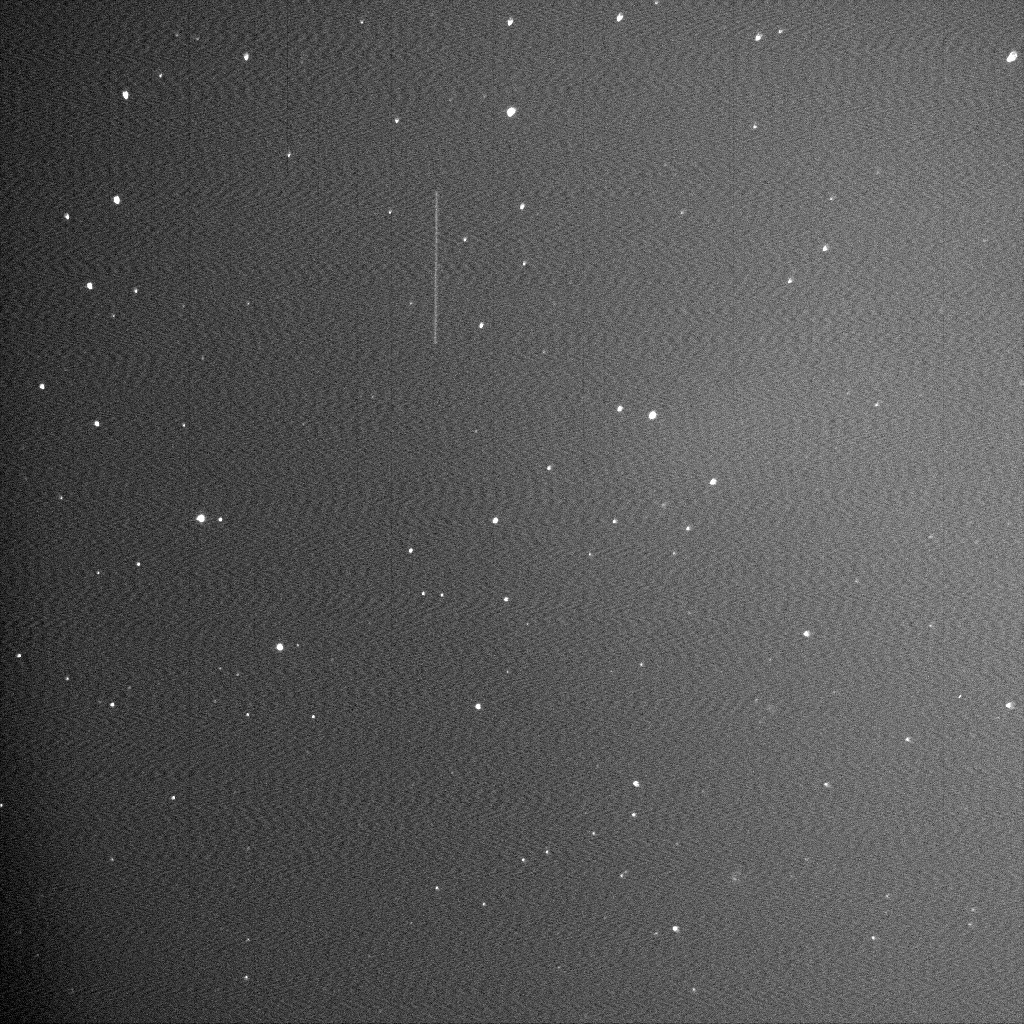
In the last observing slot the TOTAS survey found another NEO. This is the fifth NEO found in about 300 hours of survey time, which is a good result considering the field of view of the telescope. The lucky 'clicker' who identified the object as a real object was Felix Hormuth. Congratulations!
The object was announced by the Minor Planet Center here: http://www.minorplanetcenter.
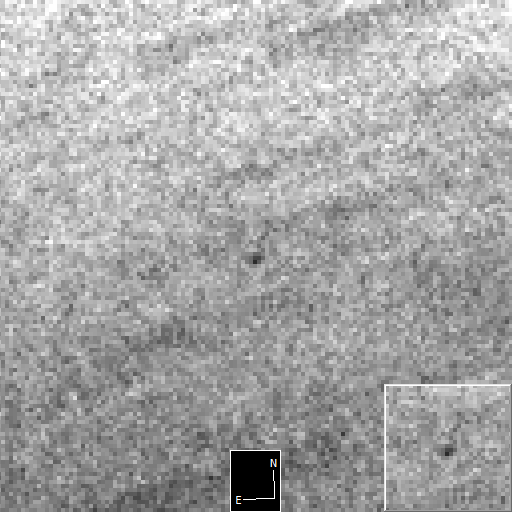
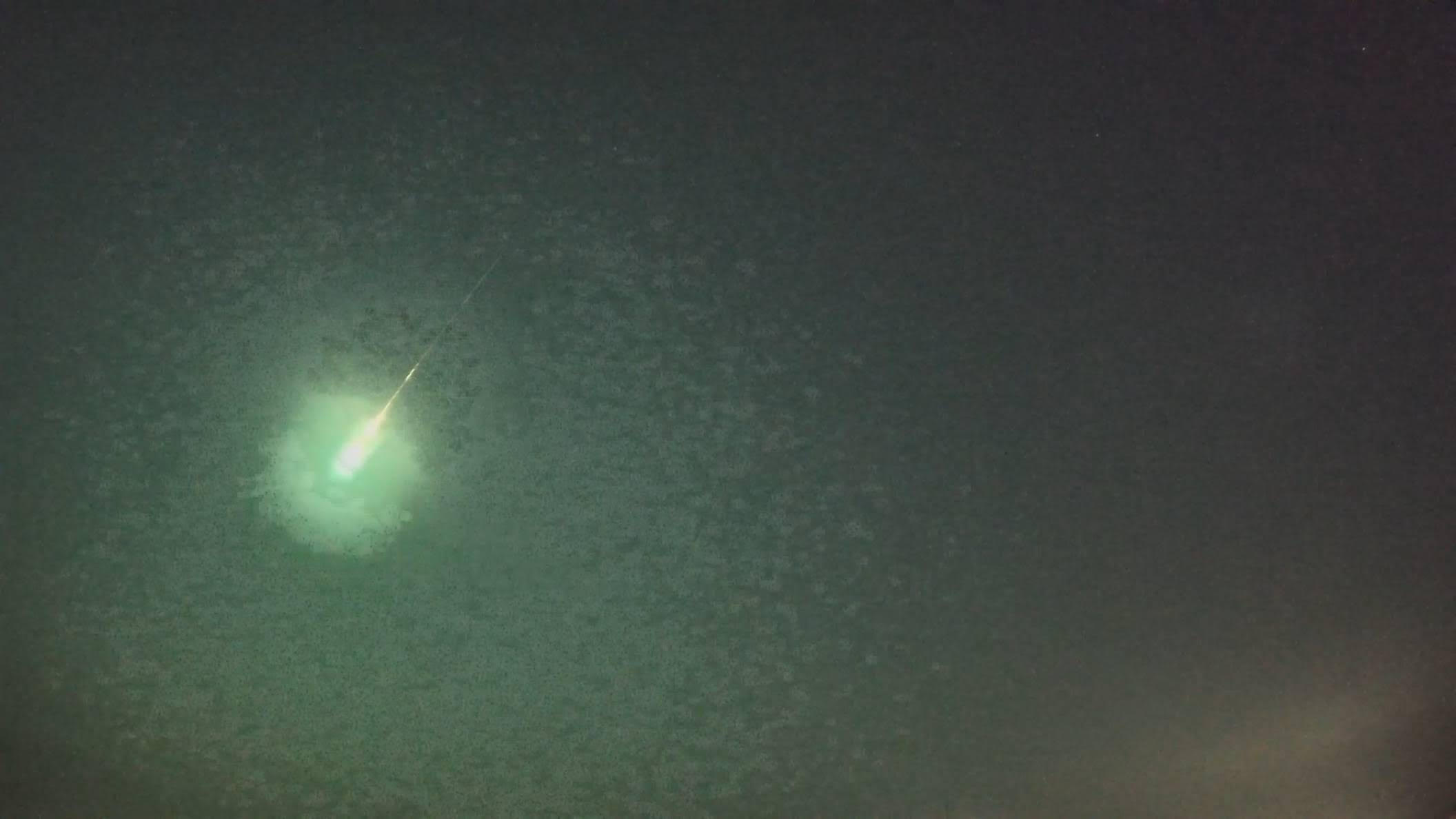
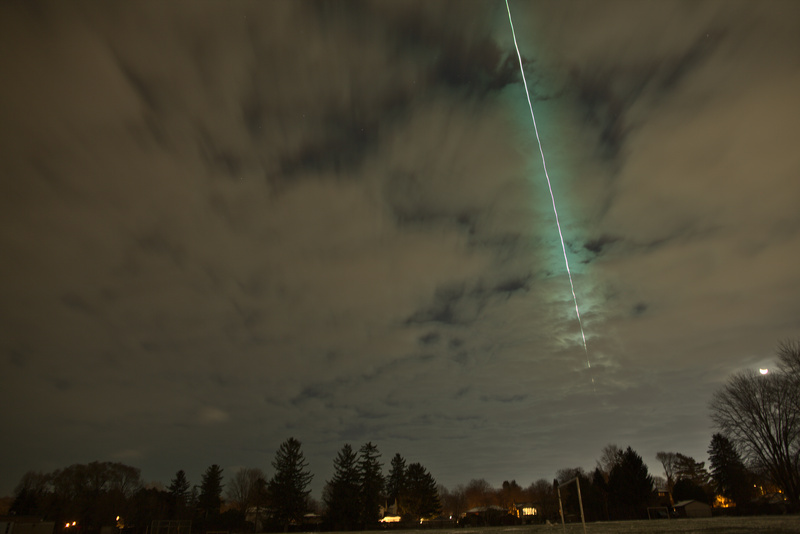
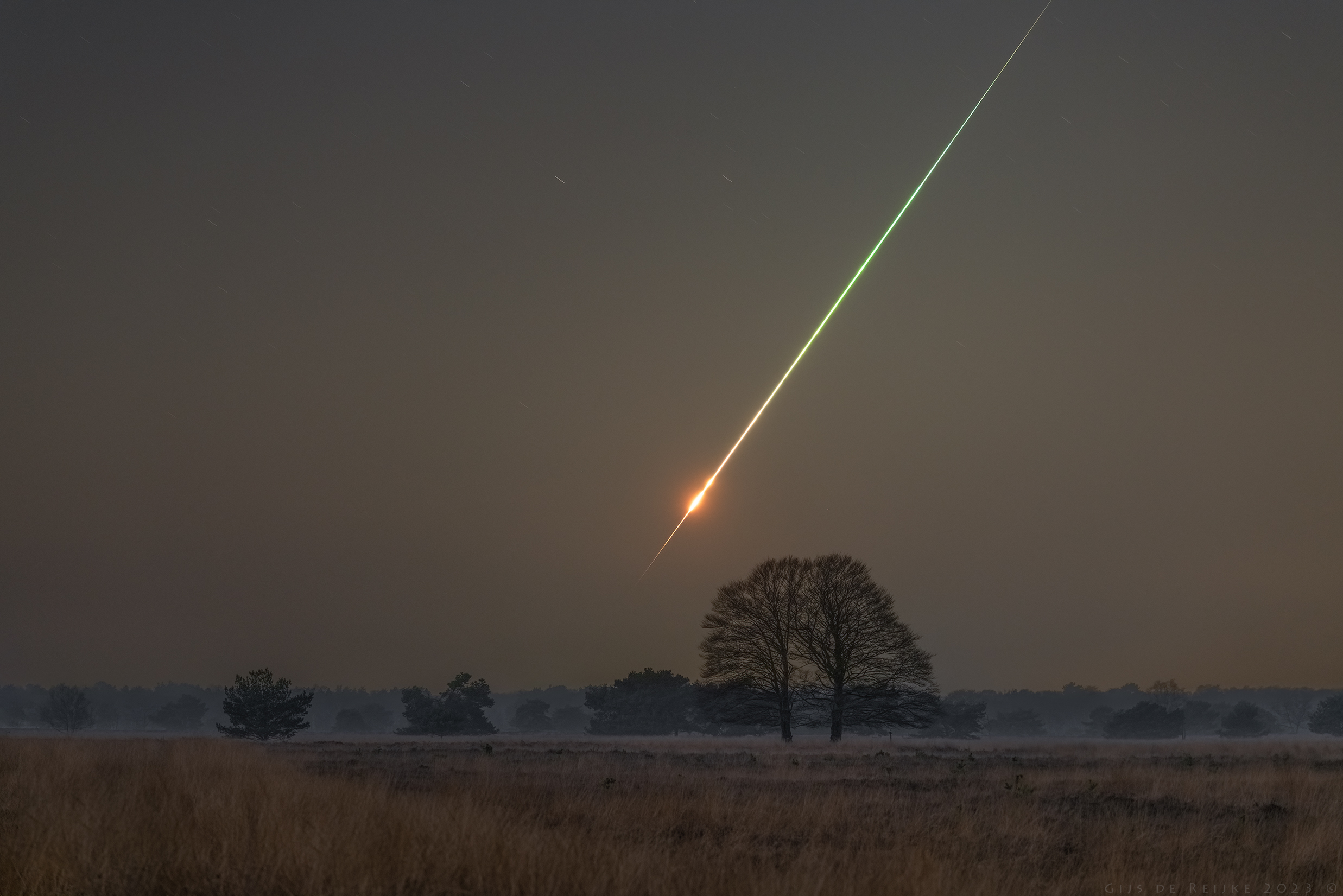
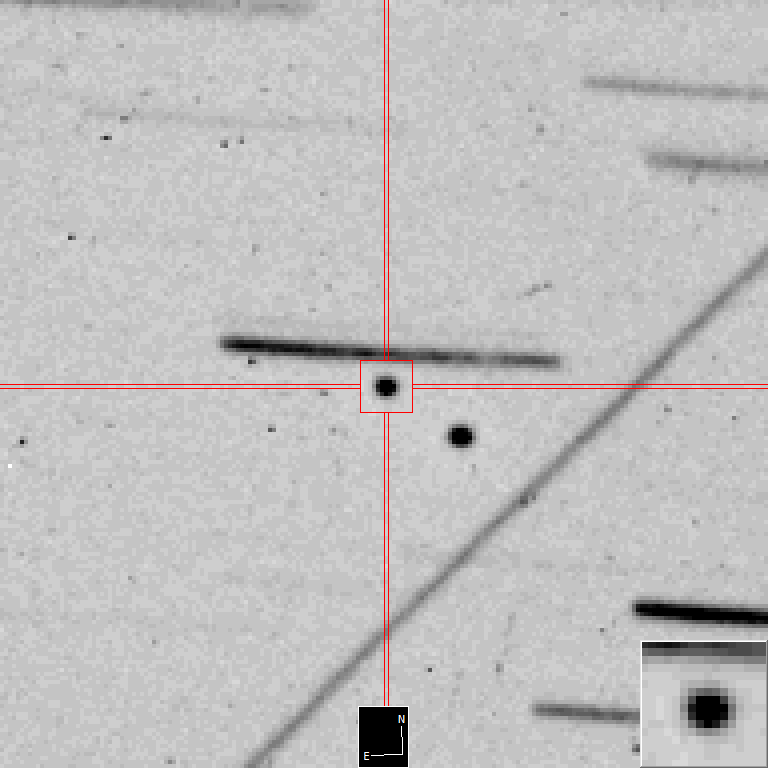
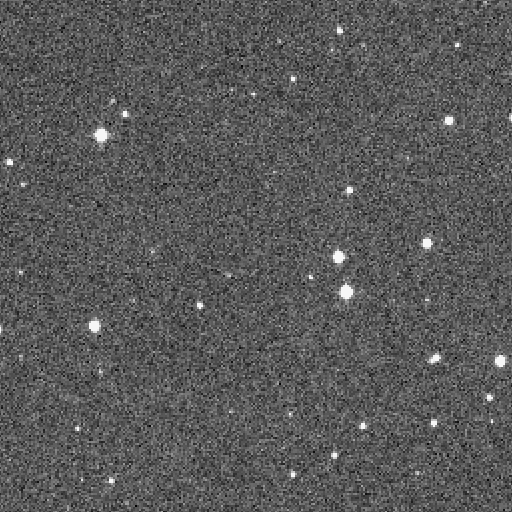
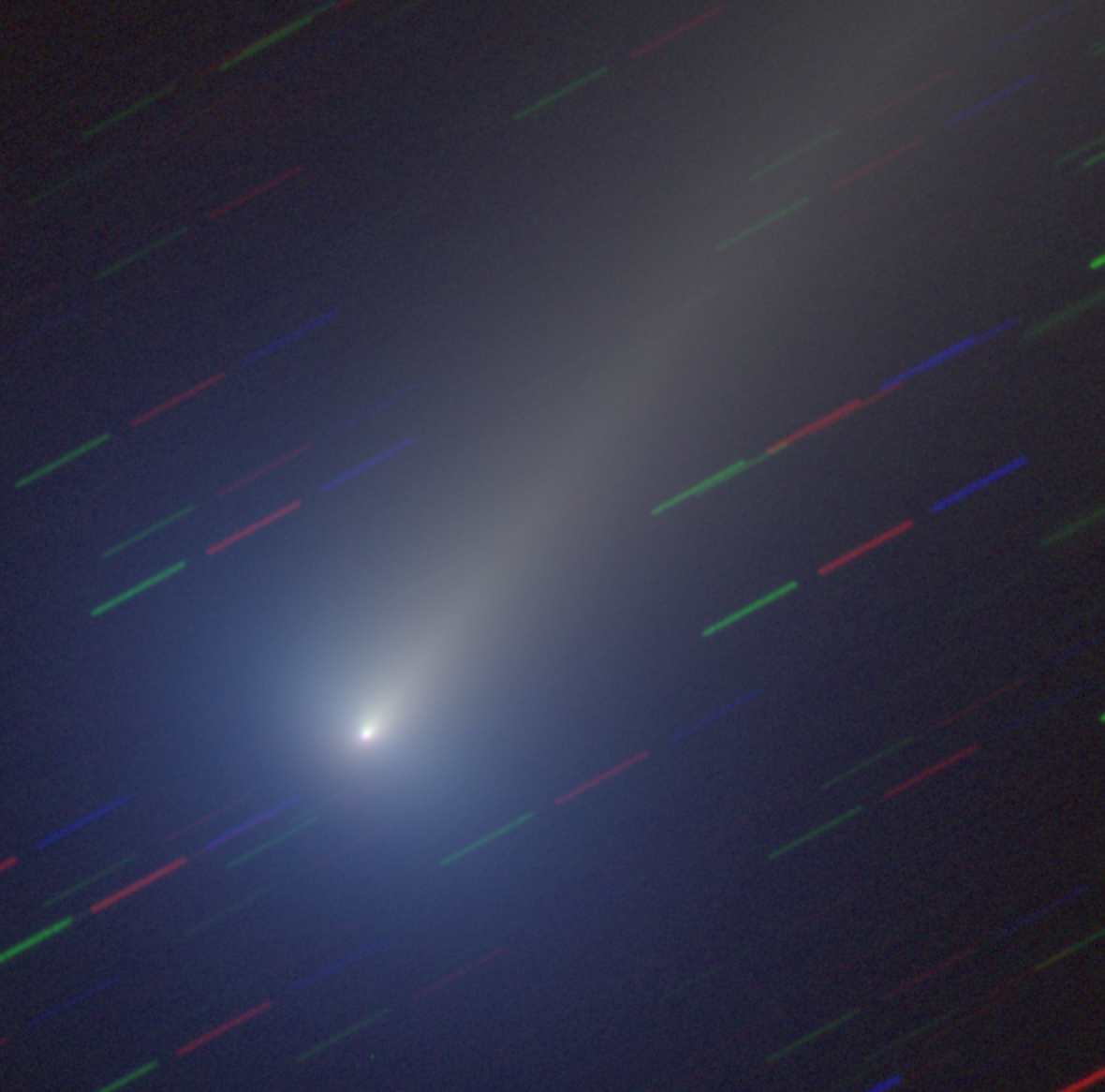
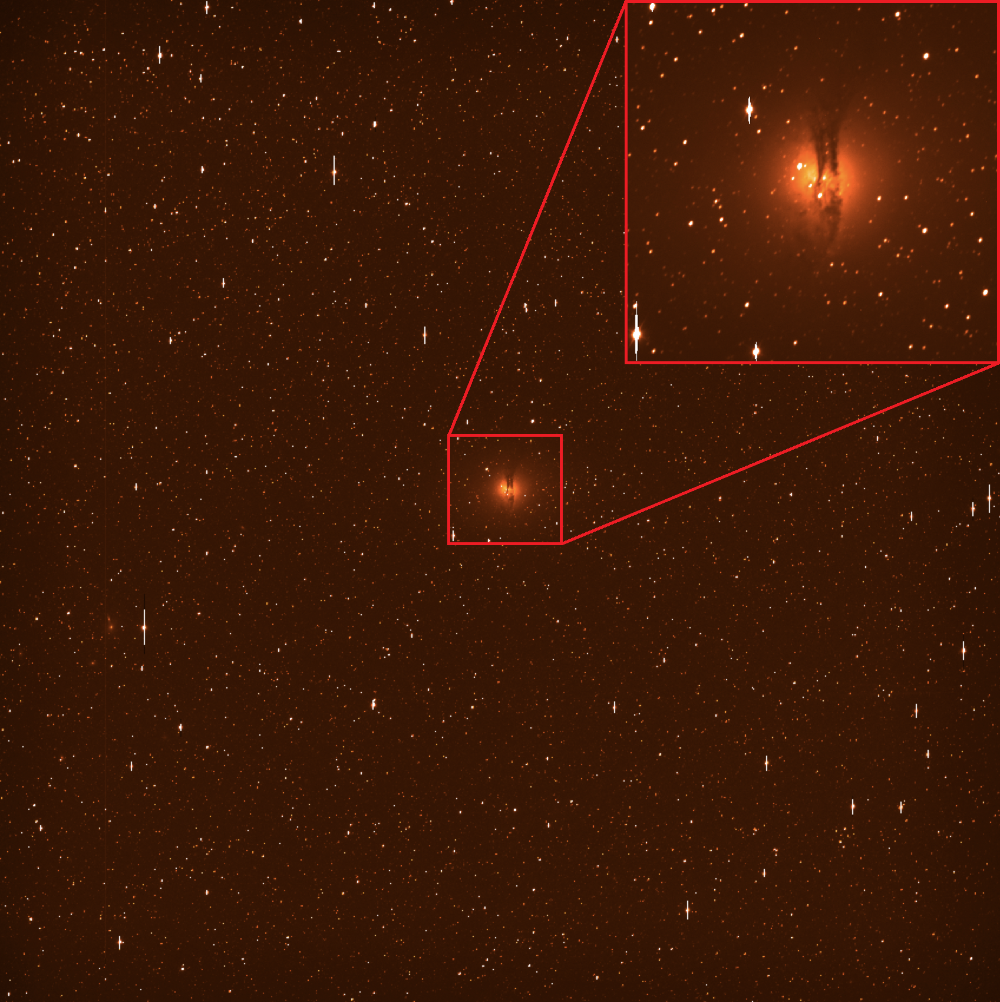
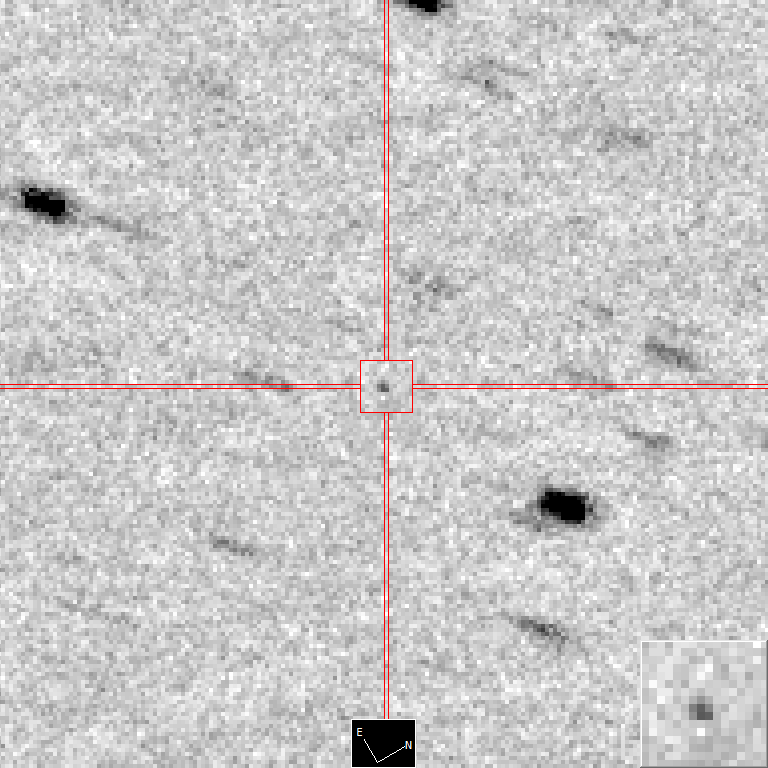
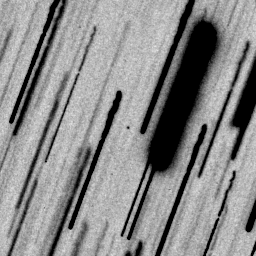
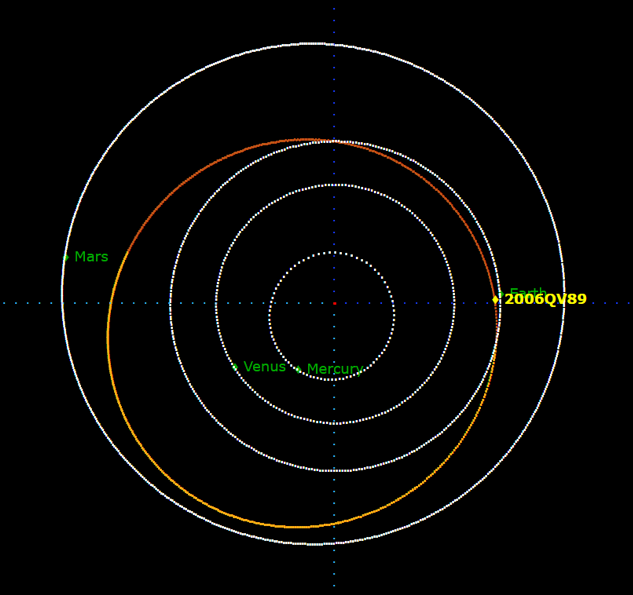
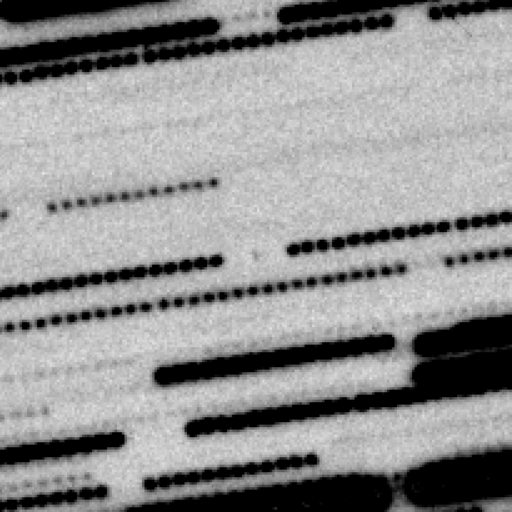
On 15 Feb 2013, a very large fireball was reported over Chelyabinsk, Russia. Peter Brown from the University of Western Ontario, Canada, analyzed infrasound measurements of the event and deduced the following parameters: 7 February 2013 Details of the ancient asteroid, 2012 DA14, are sketchy – no direct measurements of its size are available. From its brightness, scientists estimate its diameter at 50–80 m. Its composition is unknown and its mass is thought to be of the order of 130 000 tonnes. What is known is that it will not impact Earth anytime soon. "Its orbit can be computed quite accurately using Europe's NEODyS asteroid database," says Detlef Koschny, responsible for near-Earth objects at ESA's Space Situational Awareness office. "These computations show that a collision with Earth can be excluded quite safely at least for this century." On 15 February, the asteroid will make its closest pass to our planet this century when it flies by at 7.8 km/s at a distance of just within 28 000 km. "This is well inside the geostationary ring, where many communication satellites are located," says Detlef. "There is no danger to these satellites, however, as the asteroid will come ‘from below' and not intersect the geostationary belt." The asteroid will make its closest approach at around 19:40 GMT (20:40 CET) on Friday evening next week. While tiny against the vastness of our Solar System, it should be visible in Europe to anyone with a good pair of binoculars and an idea of where to look (see link to details below). The asteroid was discovered by the La Sagra Sky Survey, which is supported by ESA's Space Situational Awareness programme, on 22 February 2012. The observatory is in southeast Spain, near Granada, at an altitude of 1700 m, one of the darkest, least light-polluted locations on the European mainland. The small size and previously unknown orbit of 2012 DA14 meant that it was spotted only after it had flown past Earth at about seven times the distance of the Moon. "If this object were made of iron and it were to hit our planet, it could create a crater comparable to the 1.5 km Meteor Crater near Flagstaff, Arizona, for example," says Detlef. "However, it won't." Finding near-Earth objects (NEOs) like these – passing close to our planet and large enough to do damage if they were to enter our atmosphere – is a major goal of ESA's Space Situational Awareness (SSA) programme. The SSA office sponsors a number of astronomer groups in Europe, supporting their local surveys or allocating observation time at ESA's own telescope on Tenerife, Spain. The discovery of 2012 DA14 was particularly significant for the Agency's SSA office because it is typical of the estimated half a million undiscovered NEOs up to 30 m across. "Our SSA programme is developing a system of automated optical telescopes that can detect asteroids just like this one," says ESA's Nicolas Bobrinsky, SSA programme manager. "In cooperation with survey efforts worldwide, our goal is to spot NEOs larger than 40 m in size at least three weeks before closest approach to Earth." To achieve this, ESA teams supported by European industry are developing a system of automated 1 m-diameter telescopes capable of imaging the complete sky in one night. 17 January 2013 During the last observing run with the ESA 1-m telesope on Tenerife (the OGS = Optical Ground Station) the SSA-NEO programme successfully recovered three 'lost' NEOs. In addition, one new NEO was discovered. The new object has the designation 2013 AS76: Three so-called NEO candidates observed with the OGS are still on the NEO Confirmation Page of the Minor Planet Center (http://www.minorplanetcenter.net/iau/NEO/toconfirm_tabular.html). This discovery was possible because of the dedication and support of the TOTAS team (http://vmo.estec.esa.int/totas). The lucky person who first saw this object was amateur astronomer Gerhard Lehmann. 7 January 2013 The orbital path of 2011 AG5 has been carefully analyzed in the past year, due to its 1-in-550 probability to pass, during the moderately close approach to the Earth that will take place in early February 2023, through a 365 km wide keyhole leading to a resonant return with impact on the Earth on 5 February 2040. Gemini Multi-Object Spectrograph image of 2011 AG5. The asteroid is the point at the center of the image -circled. (Image credit: Gemini Observatory) 15 November 2012 In the last observing slot at ESA's 1-m telescope on Tenerife, the previously 'lost' object 2009 XZ1 has been recovered. E. Schwab (Germany) has planned and analyzed the observations. The Minor Planet Electronic Circular announcing the recovery can be found here: http://www.minorplanetcenter.net/mpec/K12/K12V81.html. The animation shows a 4' x 4' cutout of the original image, showing five stacks of images following the asteroid. The object is the dot moving upwards close to the center of the images between the trailed stars. Image credit: ESA/Schwab 17 October 2012 In the last SSA-NEO observing run on Tenerife, we have imaged an object on the NEO Confirmation Page called SW40nU (now called comet C/2012 T5), discovered by the Spacewatch survey. It turned out to be a comet. This image shows a stack of all obtained images on 15 Oct 2012 at 23:29 UT, tracked on the object. The new comet is in the center of the image, the short tail is clearly visible arching to the right of the object. Because the image was tracked on the comet, the stars are trailed lines. Data for this object has been submitted to the Minor Planet Center and the Central Bureau for Astronomical Telegrams. Image credit: ESA/Knöfel LOST ASTEROID REDISCOVERED WITH A LITTLE HELP FROM ESA 12 October 2012 He was determined to rediscover the object, known by its catalogue name as 2008SE85. Potentially Hazardous Asteroid 2008SE85 was discovered in September 2008 by the Catalina Sky Survey, and observed by a few observatories to October 2008. Asteroid considered lost Since then, however, nobody had observed the object and predictions for its current position had become so inaccurate that the object was considered to be ‘lost'. Erwin planned his observing sequence to look for the object within the area of uncertainty of its predicted position. After only a few hours, he found it about 2° – four times the apparent size of the Moon – away from its predicted position. "I found the object on the evening of Saturday, 15 September, while checking the images on my computer," says Erwin. "I then saw it again at 01:30 on Sunday morning – and that was my birthday! It was one of the nicest birthday presents." Potentially Hazardous Asteroids approach Earth closer than about 7 million km; about 1300 are known. When a new asteroid is discovered, follow-up observations must be done within a few hours and then days to ensure it is not subsequently lost. USA-based Minor Planet Center acknowledges the find "These observations were part of the strong collaboration that we have with a number of experienced backyard observers," says Detlef Koschny, Head of the Near-Earth Object segment of ESA's Space Situational Awareness programme. "It's not the first time our collaboration with amateurs has scored such a success. Members of the Teide Observatory Tenerife Asteroid Survey started by Matthias Busch from Heppenheim, Germany, discovered two new near-Earth objects during the last year while working with our observing programme." While the sky becomes more and more continuously scanned by ground and space-based NEO surveys, discovering objects in unusual orbital configurations represents the new frontier. Their dynamics translates into peculiar visibility conditions thus calling for smart observation strategies. Tunguska-class (i.e. 30-60 meter size) objects in orbits closely resembling that of the Earth turn out particularly elusive due to their faint appearance and the long synodic period. The only chance to spot them in the sky is when they, from time to time, come close to our planet, crossing the night sky at high declinations. This is the case for asteroid 2012 DA14, discovered from the La Sagra Observatory, in southern Spain, on 23 February 2012 (a detailed account is posted at the observatory web site http://www.oam.es/Asteroid_2012DA14.htm). 2012DA14 is a 45 meter NEO which exhibit an interesting dynamical behaviour characterized in the 2001-2013 timeframe by yearly close approaches to our planet (http://newton.dm.unipi.it/neodys/index.php?pc=1.1.8&n=2012DA14) down to distances smaller than the geostationary ring where most telecommunication satellites reside. Even if 2012 DA14 will not impact the Earth it poses the challenge of how to discover these objects with a warning time large enough for mitigation. A space-based observatory in a "strange" orbital configuration has been proposed to this end. Image: The discovery plates of 2012DA14 (credits: La Sagra Sky Survey) The data gathered by the US WISE mission have been released as public domain on 14 March 2012 (http://wise2.ipac.caltech.edu/docs/release/allsky/). This release provides improved calibration and processing algorithms. After the successful detection of 2010TK7, the first Earth Trojan Asteroid, which resulted from post-processing archived WISE data, new discoveries are expected in the future. Although Gaia's primary mission goal is the precise measurement of star positions and not observing NEOs, nevertheless it is likely to produce a significant contribution to NEO detection. This is due to the peculiar way its on-board telescopes will scan the sky, reaching solar elongations as low as 45 degrees. Yet without a robust ground-based network of follow-up telescopes Gaia's detections would lose much of their value because of the poor quality of the computed orbits. The Gaia working group devoted to moving objects detection, led by the Institut de Méchanique Céleste et de Calcul des Éphémérides (IMCCE) of the Observatory of Paris, is taking up the challenge. After a successful kick-off meetig in 2010 a second workshop is planned in Paris from 19 to 21 September 2012. http://www.imcce.fr/hosted_sites/gaiafun2012/index.php Image: Logo of the Gaia Follow-Up-Network of Solar System Objects FIREBALL OVER RUSSIA
Time of impact: 03:20:26 UT on 15-FEB-2013
Entry angle: 20 degree from surface
Entry velocity: below 20 km/s
Trajectory direction: North to South
Asteroid diameter before entry in the atmosphere: about 15 m
Kinetic energy: 500kt TNT equivalent (corresponding to 30 times the energy of the Hiroshima bomb)
Explosion altitude: 15-25 km
The direction of the trajectory and the large distance in time indicate that the object was unrelated to asteroid 2012DA14, which had a very close flyby in the evening of the same day. STRANGER IN THE NIGHT: SPACE ROCK TO MAKE CLOSE EARTH FLYBY
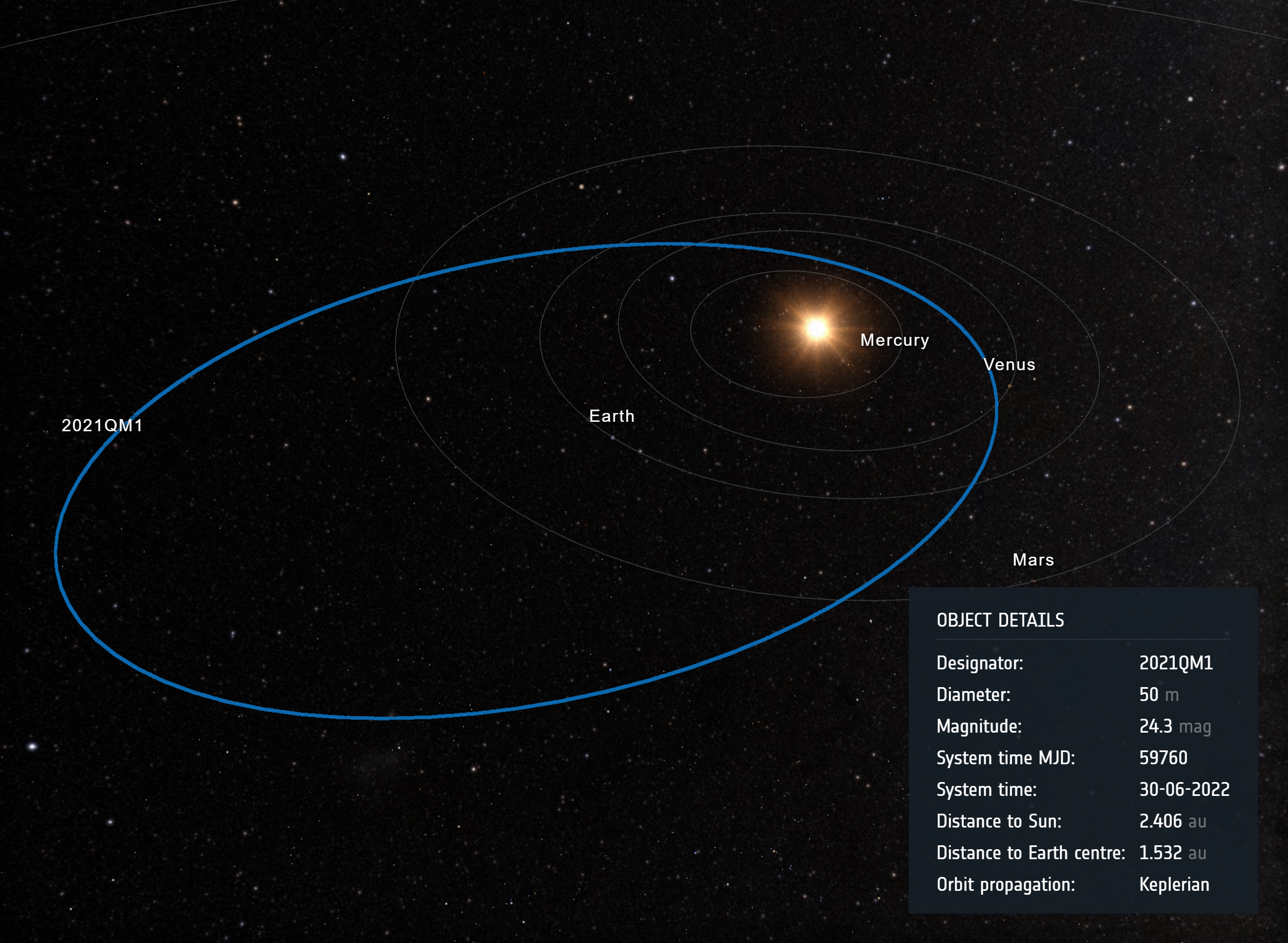
A little-known asteroid will skim past Earth on 15 February, passing just 28 000 km from our planet. The 50 m-diameter chunk of space rock was discovered last year by ESA-sponsored amateur astronomers in Spain. SUCCESSFUL OBSERVING SLOT WITH THE OGS TELESCOPE
http://www.minorplanetcenter.
THE IMPACT RISK FOR 2011 AG5 HAS BEEN CLEARED
As it is customary in these cases, observing opportunities, useful to refine the orbit and possibly remove the collision possibilities, have been looked for; the first of these opportunities has occurred in October 2012, and has been put to good use by a team of the Institute for Astronomy of the University of Hawaii, using the Gemini North telescope.
Given the difficulty of the observations, the analysis of the collected data has taken some time. The astrometry so obtained has been fed to the CLOMON2 impact monitoring robot, and the results have been carefully cross-checked with those of JPL Sentry.
The result is that no impact with the Earth is possible between now and 2100. It is anyway desirable that the next observing opportunities for this object be exploited, so as to further refine our knowledge of its motion and especially of the circumstances of its encounter with the Earth in 2023, when physical observations would be possible. (Source: NEODyS)
ANOTHER RECOVERY - 2009 XZ1 FOUND AGAIN
NICE SURPRISE DURING OBSERVATIONS
![]()
A potentially hazardous asteroid once found but then lost has been rediscovered and its orbit confirmed by a determined amateur astronomer working with ESA's space hazards programme. The half-kilometre object will not threaten Earth anytime soon.
Amateur astronomer Erwin Schwab, from Germany, conducted his asteroid hunt in September during a regular observation slot at ESA's Optical Ground Station in Tenerife, Spain, sponsored by the Agency's Space Situational Awareness programme.
![]()
These new observations of the roughly 500 m-diameter asteroid will allow a much more accurate determination of its orbit and help confirm that it will not be a threat to Earth anytime soon.
Asteroid position measurements are collected from observers worldwide by the US-based Minor Planet Center, which acknowledged the rediscovery of 2008SE85 by releasing a Minor Planet Electronic Circular announcing the new observations.
![]()
A SENSE OF SOMETHING STRANGE
A WISE DECISION
GAIA FOR NEOs